The Right Book at the Right Moment: How Serendipity Rewires the Way We Read
When a Book Feels Like It Was Written for You
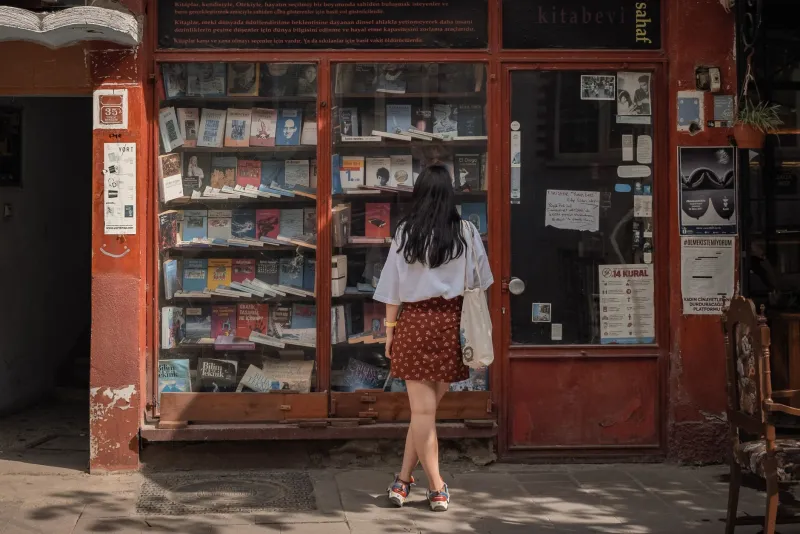
You know the feeling. You're standing in the middle of a bookstore, maybe not even looking for anything in particular, and a spine catches your eye. You flip to a random page. Something in those few sentences lands with a weight that's almost unreasonable. You buy it. You read it in two days. And years later, you still think about it — not just as a book, but as a marker in time, a before-and-after in your personal history.
This isn't coincidence. Or at least, it isn't only coincidence. Psychologists call it "emotional readiness" — the idea that we absorb information and narrative most deeply when our internal state is primed to receive it. A book about grief hits differently when you're grieving. A novel about reinvention lands harder when you're quietly terrified of your own. The story hasn't changed, but you have, and that changes everything about how the words move through you.
At TDC Bookstore, we've heard this story from readers more times than we can count. Someone wandered in during a lunch break after a brutal morning at work and left with a book that reframed their entire relationship with ambition. A woman going through a divorce picked up a slim novel on a whim and found herself crying on the subway in the best possible way. A college kid home for the holidays stumbled onto a collection of essays that made them feel, for the first time, like their confusion was something worth honoring rather than fixing.
These moments are real. And they matter.
The Psychology Behind the Perfect-Timing Read
There's actual science underneath what feels like magic. Psychologists who study autobiographical memory have long noted that emotionally charged experiences create stronger, more durable memories. When you read a book during a period of heightened personal significance — a breakup, a move across the country, a health scare, the loss of someone you loved — your brain encodes that reading experience differently than it would during a calm Tuesday afternoon.
The book becomes an anchor. A sensory and emotional shorthand for an entire chapter of your life. That's why rereading certain books can feel almost painfully nostalgic, pulling you back not just to the story but to the version of yourself who first encountered it.
But timing alone doesn't explain everything. The discovery matters too. There's a meaningful difference between a book that an algorithm serves up based on your purchase history and one that a bookseller hands you after a three-minute conversation about where you are in your life. The former is pattern-matching. The latter is something closer to intuition — or at least, informed human empathy.
Why Human Curation Creates More Happy Accidents
Algorithms are genuinely impressive at identifying what you've liked before. They're far less equipped to sense what you need right now. And those are very different things.
An independent bookseller who's paying attention can pick up on a dozen subtle cues in a single conversation — the way you describe the last book you loved, what you say you're going through, even the titles you pause on without picking up. They're drawing on their own reading life, their knowledge of the store's inventory, and a kind of lateral thinking that no recommendation engine has cracked yet.
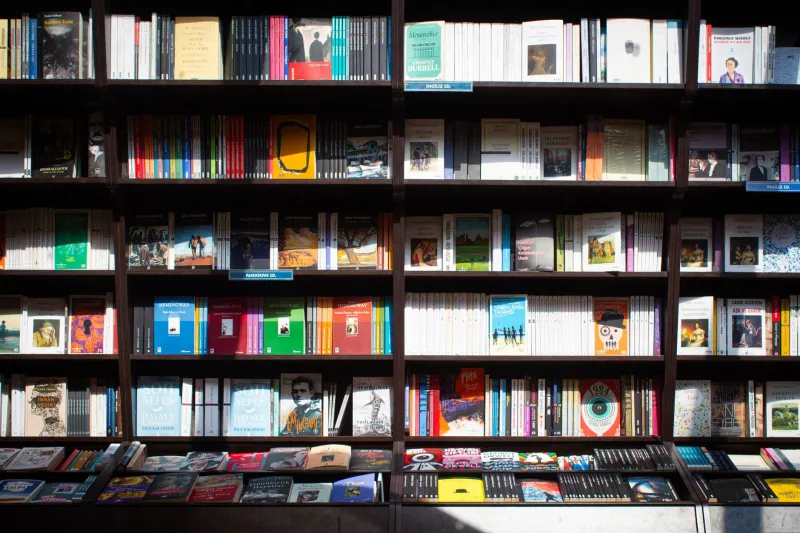
This is why the serendipitous book discovery happens so much more frequently in independent bookstores than on any platform with a homepage full of "Customers Also Bought" suggestions. The physical space itself helps. You browse without a filter. You pick up books you'd never have searched for. You read the back cover of something that has nothing to do with your stated interests and realize it has everything to do with your actual life.
The chaos is the feature, not the bug.
Breakups, Career Pivots, and Identity Crises: The Bookstore as Compass
Let's be honest about the moments when books tend to find us most powerfully. They're rarely the stable, comfortable ones. They're the transitions — the disorienting in-betweens when the old story you told about yourself no longer holds and the new one hasn't taken shape yet.
After a breakup, you might reach for fiction that centers solitude not as loneliness but as space. After leaving a job you thought defined you, you might stumble onto a memoir about someone who rebuilt their sense of purpose from scratch. During an identity crisis — and most of us have at least one significant one, usually around our late twenties or early forties — a single collection of essays or a quietly radical novel can act like a tuning fork, vibrating at exactly the frequency you didn't know you were searching for.
Independent bookstores, at their best, function as a kind of low-pressure sanctuary during these periods. Nobody's tracking your search history. Nobody's trying to upsell you. You can stand in an aisle for twenty minutes reading the first chapters of three different books and leave with none of them, or all of them, and it's fine either way. The space holds room for the kind of slow, unstructured discovery that life-changing book encounters seem to require.
Making Space for Your Own Serendipity
Here's the thing about transformative reading moments: you can't force them, but you can make yourself available to them. And that's more actionable than it sounds.
Browse without a list sometimes. Walk into a section of the store you'd normally skip. Ask a bookseller what they personally loved this year, not what's selling well. Pick up books based on cover art or a single sentence from the back. Give yourself permission to not know what you're looking for — because the books that change us are almost never the ones we thought we needed.
And when one of those moments happens — when a book arrives at exactly the right time and cracks something open in you — pay attention to the circumstances. Where were you? What were you going through? That context is part of the story now. It belongs to the book as much as anything the author wrote.
The best readers we know treat their reading lives less like a checklist and more like a conversation — one that shifts and deepens depending on where they are in life. The books don't change. But you do. And that, more than any algorithm or bestseller list, is what makes the whole thing worth showing up for.