Shelf Life: Why America's Independent Bookstores Are Thriving in the Age of One-Click Shopping
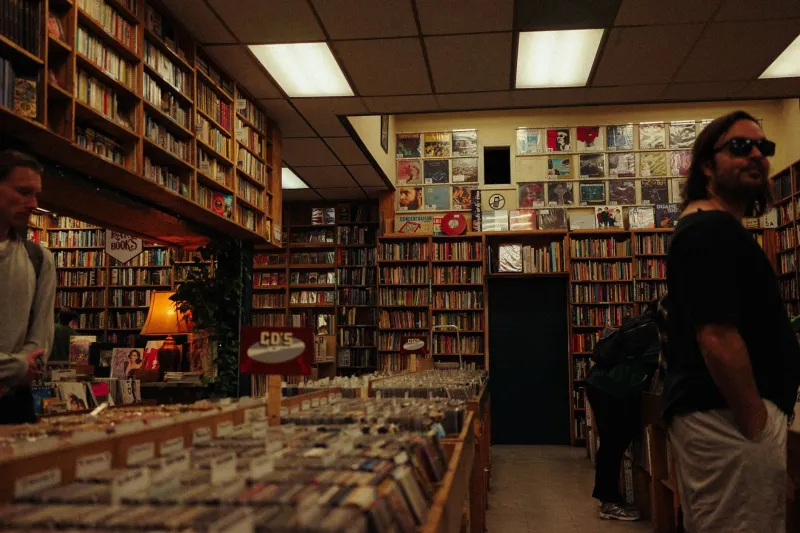
There's a moment that every bookstore regular knows intimately. You walk in without a specific title in mind, maybe just killing twenty minutes before an appointment, and you leave forty-five minutes later clutching three books you'd never heard of before you stepped through the door. One of them will become your favorite read of the year.
No recommendation engine has ever pulled that off quite the same way.
For a decade or so, the conventional wisdom held that independent bookstores were a dying breed — charming relics being slowly squeezed out by e-commerce giants and the seductive ease of next-day delivery. And yet, here we are. According to the American Booksellers Association, the number of indie bookstore members has grown significantly over the past several years, reversing what once looked like an inevitable decline. Something shifted. Readers started voting with their feet — and their wallets.
The Algorithm Can't Browse for You
Ask anyone who works at an indie shop what keeps customers coming back, and you'll hear some version of the same answer: the human element.
"People are tired of being shown the same fifteen books over and over because they fit a data profile," says one longtime bookseller at a neighborhood shop in Portland, Oregon. "When someone walks up to our counter and says, 'I loved Pachinko but I want something a little darker,' we can have a real conversation. We can take a risk with them."
That kind of personalized, gut-level recommendation — the one that comes from a bookseller who genuinely read the book and thought of you specifically — is the indie store's most powerful competitive advantage. It's also something that scales terribly, which is precisely why the big platforms haven't been able to replicate it. Intimacy, by definition, doesn't mass-produce.
At TDC Bookstore, that philosophy sits at the heart of everything we do. Whether it's our staff picks shelf, our reader community forums, or the author conversations we host, the goal is always the same: connect the right story with the right reader, and trust that the relationship does the rest.
More Than a Store — A Living Room for Readers
Walk into a thriving independent bookstore on a Tuesday evening and there's a decent chance you'll find a poetry reading, a debut novelist nervously adjusting a microphone, or a book club mid-argument about whether the ending was earned. These spaces have become community anchors in a way that feels genuinely new — or maybe genuinely old, depending on how you look at it.
"We host somewhere between sixty and seventy events a year," says the owner of a beloved indie in Austin, Texas. "Some of them are standing room only. People come for the author, sure, but they also come because they know they'll run into their neighbors, their friends. The bookstore is a reason to show up."
This community-as-product model has proven surprisingly resilient. During stretches when foot traffic thinned out, many stores leaned harder into events, newsletters, and social media to maintain the sense of belonging that their regulars craved. Several launched subscription boxes. Others partnered with local coffee roasters, turning the browsing experience into a full afternoon. The lesson: when you give readers a reason to be there beyond just buying a book, they'll find a way to keep coming back.
Curation Over Inventory
Here's something that might seem counterintuitive — indie stores carry far fewer titles than a major online retailer, and that's actually a feature, not a bug.
Walking into a shop where every book on the shelf was chosen deliberately, where the staff has read (or at least passionately debated) most of what they stock, creates a kind of editorial trust that's hard to overstate. You're not scrolling through an infinite warehouse. You're stepping into someone's considered opinion about what's worth your time.
"I think of our shelves as a giant recommendation," says one bookseller in Chicago. "Every title we carry, we're essentially saying: this one matters. That means something to people. They feel less overwhelmed. They feel like they can trust what they pick up."
For readers experiencing decision fatigue — and let's be honest, the internet has made that a near-constant condition — that curated environment is a genuine relief. It's the difference between a tasting menu and an all-you-can-eat buffet.
The Values Factor
It would be incomplete to talk about the indie bookstore resurgence without acknowledging the role of conscious consumerism. A growing number of readers, particularly younger ones, are actively thinking about where their money goes and what it supports.
Buying a book from an independent store keeps dollars circulating in the local economy. It supports a business owner who probably lives in the same neighborhood, sends their kids to the same schools, and cares about the same community spaces. For many customers, that context changes the transaction entirely.
"I pay a couple extra dollars sometimes," admits Maya, a 34-year-old teacher in Brooklyn who shops at her local indie almost exclusively. "But I know the person behind the counter by name. I know the store does a book drive for the elementary school down the block. That matters to me more than the price difference."
This isn't naive idealism — it's a deliberate, values-driven choice that a meaningful segment of the reading public is making consistently. And indie bookstores that communicate their community impact clearly are reaping the rewards.
What the Digital Age Actually Gave Indie Stores
Here's the twist: the internet, for all the disruption it brought, has also handed independent bookstores some powerful tools.
Social media — particularly Instagram and TikTok's #BookTok community — has turned reading into a participatory, visually rich culture. Gorgeous shelfies, first-edition unboxings, and passionate five-minute reviews have introduced millions of people to titles and authors they might never have found otherwise. And when those readers go looking for a place to buy? Many of them want the experience to match the enthusiasm they found online.
Independent bookstores that have embraced their own online presence — sharing staff picks, hosting virtual events, maintaining active newsletters — have found that digital and physical can coexist beautifully. The internet drives awareness; the store delivers the experience.
The Story Isn't Over
None of this means indie bookstores have it easy. Rent pressures, staffing challenges, and the ongoing dominance of major retailers are real and constant. But the narrative of inevitable decline has been replaced by something more complicated and, frankly, more interesting: a story about adaptation, community, and the enduring human need to be handed a book by someone who says, trust me, you'll love this.
That's a story worth reading — and worth supporting.
Next time you're looking for your next great read, consider skipping the cart and walking into a shop instead. You might leave with something unexpected. You almost certainly will.